Dog Peptides · More Good Years

They still want to go. Their body is starting to say no.

Slow to get up. Pausing before the stairs. Taking shorter walks. Waiting to be lifted into the car. Or suddenly living by a recovery calendar after a CCL injury. Start with the moment you noticed, not the medical jargon.

Veterinarian-guided Individualized by dog Built around mobility
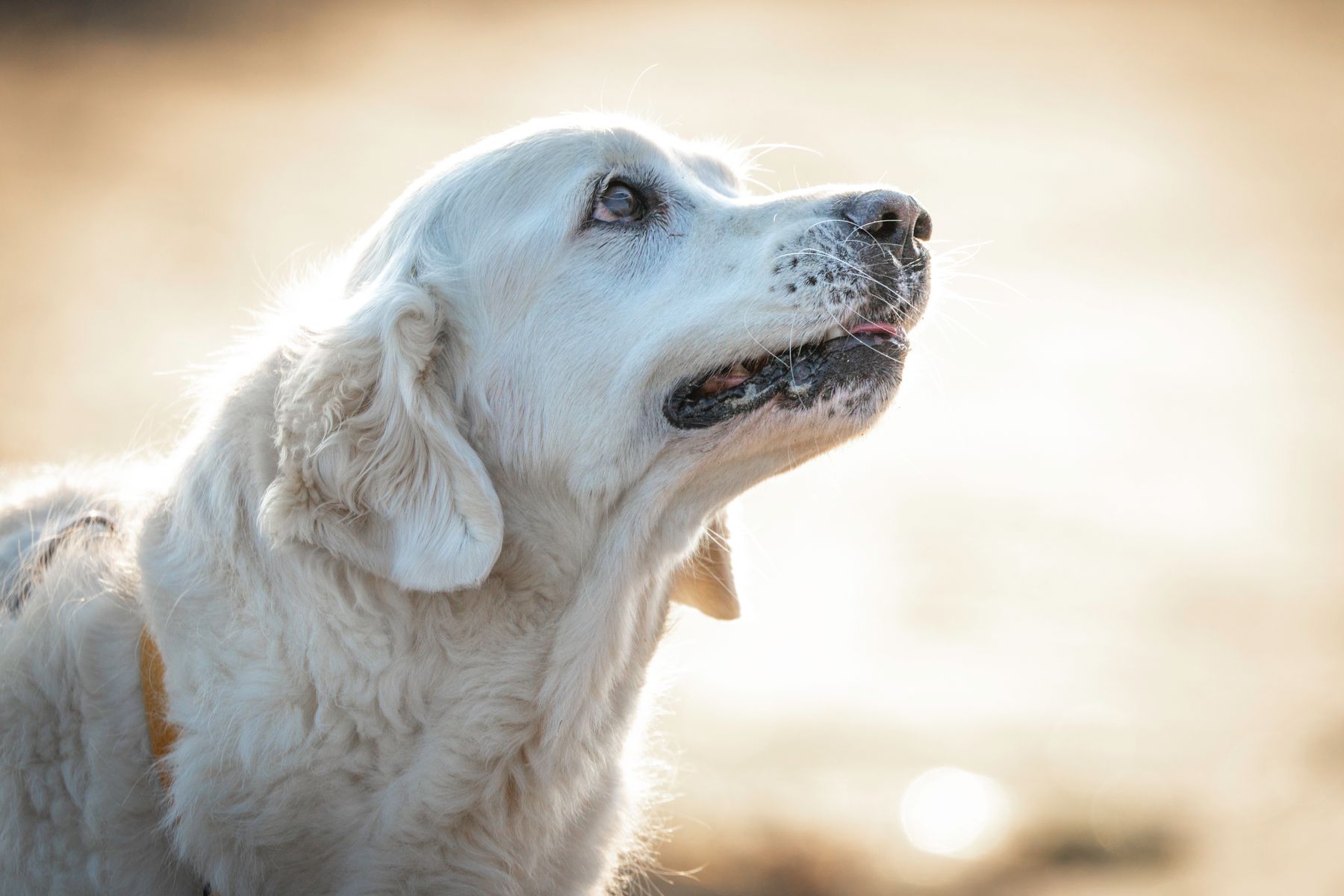
An older golden retriever looking up, backlit by low evening sun
The goal More walks. More car rides. More good mornings. A plan built around your dog, reviewed by a vet, with a simple way to see whether it is working.
A young golden retriever in a field at sunset, head up, mouth open
TwoTakes the stairs three at a time.
The same breed of dog, now older, with a white muzzle, looking up in evening light
ElevenWaits at the bottom of them.

Nobody watches it happen. You just look up one day and the stairs have become a decision.

Slow after restingOne of the first things you notice
Stairs feel harderThat little pause starts showing up
Walks get shorterOr disappear altogether
Back legs weakenEspecially visible in larger dogs
Recovery feels longCCL / TPLO changes the routine fast
You've probably noticed it before anyone else

It rarely starts with “my dog has a mobility problem.”

It starts with small changes in the dog you know better than anyone.

They hesitate before the stairs.

Or make it up, but slower and more carefully than they used to.

Mornings look stiff.

Getting up after a nap takes longer. The first few steps don't look like them.

The walks changed.

Shorter routes. More stopping. Or the walks you both loved have quietly fallen away.

Getting in the car became a thing.

A jump they never thought twice about now needs a pause, a ramp, or your help.

The back end looks weaker.

Especially in larger dogs: less muscle, more slipping, more effort to stand.

An injury changed everything fast.

A CCL tear or TPLO turns an active dog into a recovery patient overnight.

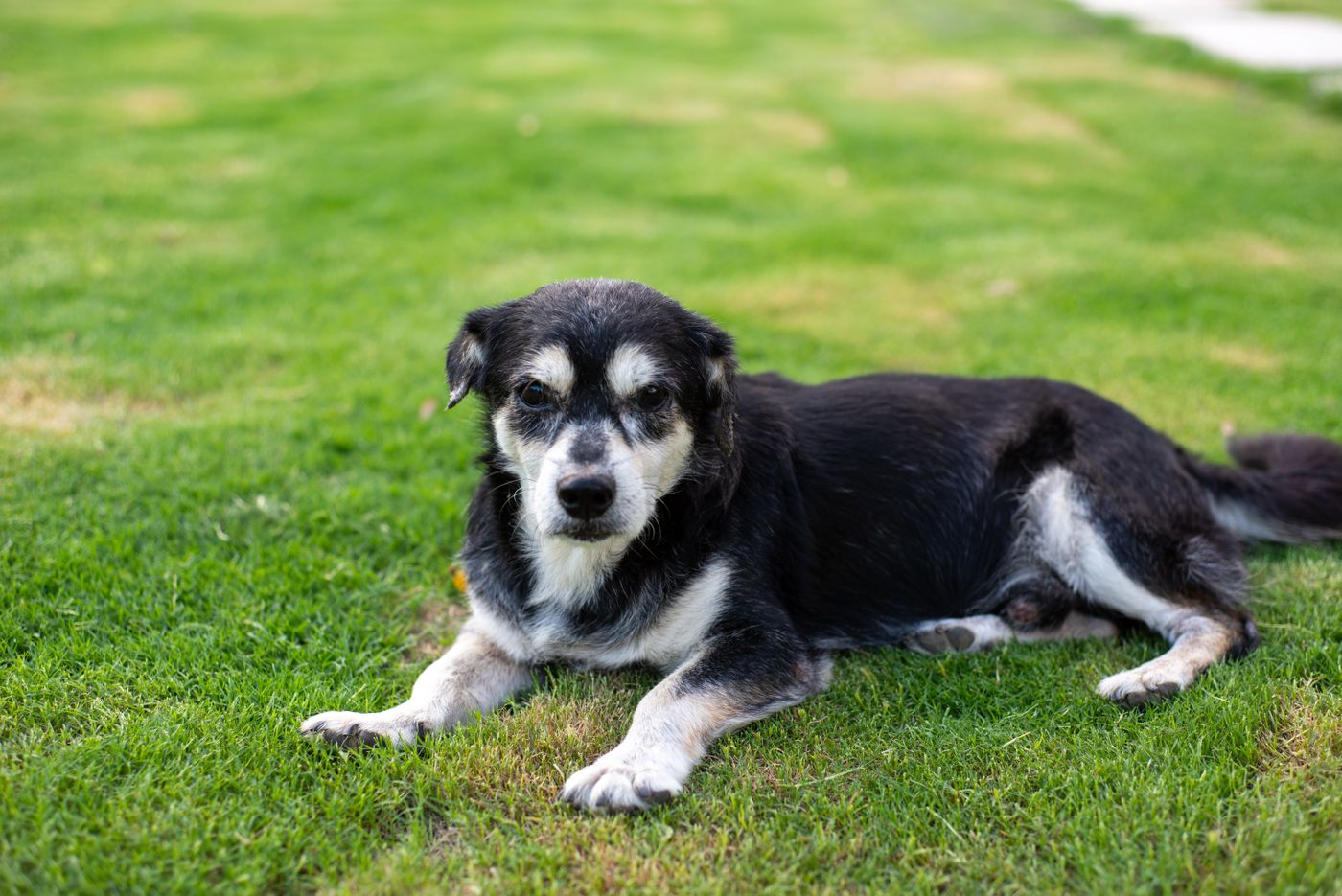
An older black and white dog lying stretched out on the grass
The first steps of the day take longer. Stiffness after rest is usually the first thing you notice.
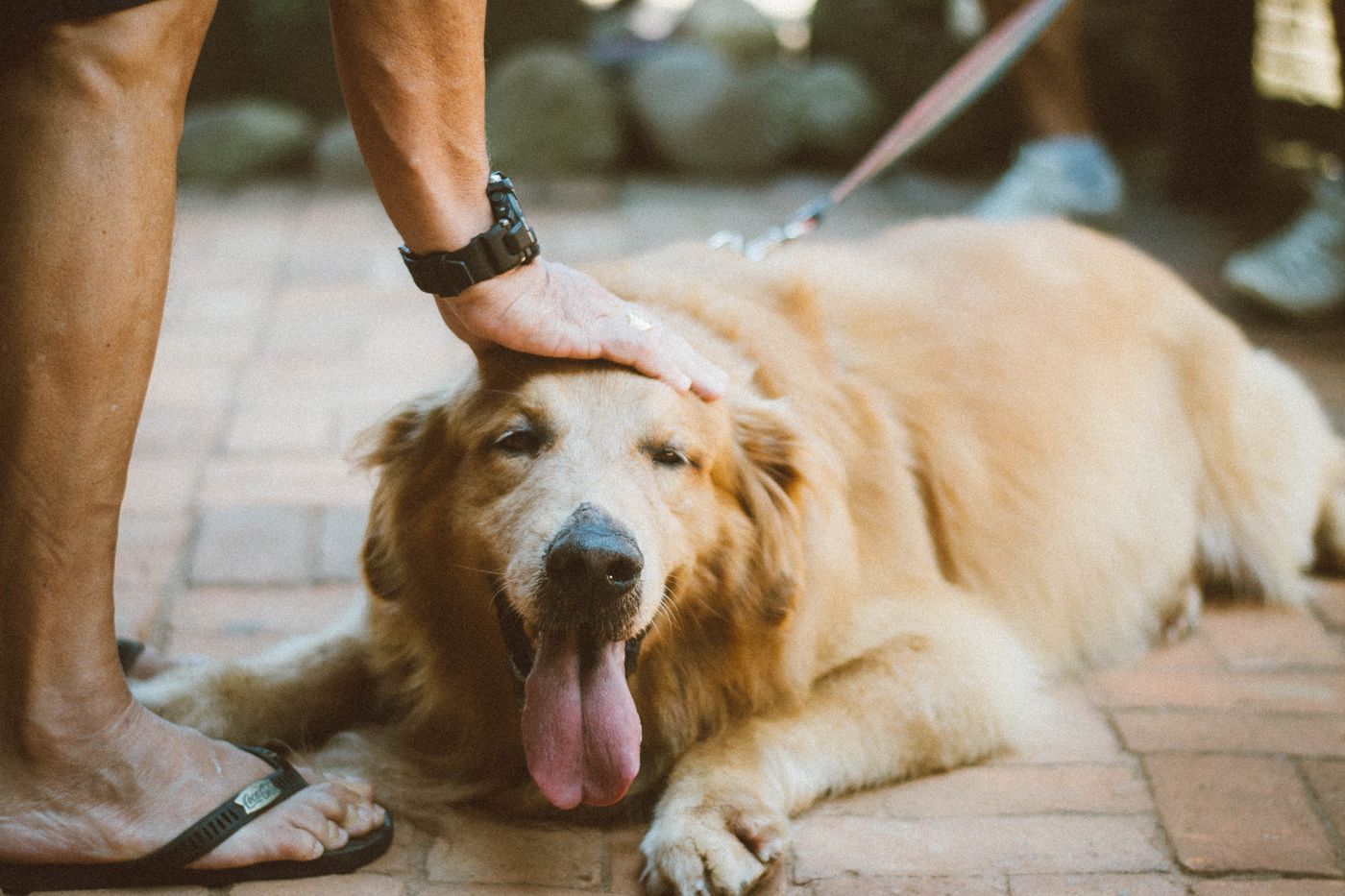
A person resting their hand on the head of an older golden retriever
You are the one who spots it. Long before it shows up in an examination room.
Where to start

Three dogs. Three very different reasons to be here.

Your vet looks at the whole dog. These are the three situations we see most often. Start with whichever one sounds like yours.

1

Senior dogs who are simply slowing down

For the dog who still has the spark, but whose body isn't keeping up quite like it used to.

  • Stiff or slow after resting
  • Shorter walks or less interest in exercise
  • Trouble getting up, jumping, or climbing stairs
  • Age-related mobility changes
Explore senior mobility →
2

Large dogs whose mobility is getting harder

When a big dog slows down, everything gets harder, for them and for the person trying to help them.

  • Hip, elbow, knee, or general joint concerns
  • Weakness or muscle loss in the hind end
  • Difficulty rising or getting into the car
  • Large-breed orthopedic wear and tear
Explore large-breed mobility →
3

CCL injury & TPLO recovery

For the dog who went from running around to crate rest, and for you, trying to work out what else might help.

  • CCL / cranial cruciate ligament injury
  • TPLO or other orthopedic recovery
  • Soft-tissue recovery support
  • Return-to-activity planning with your vet
Explore recovery →
Why this exists
You noticed it before anyone else did.

Not from a test result. From the pause at the bottom of the stairs, and the walk that keeps getting shorter. You know your dog better than anyone. That is worth taking seriously.

Why veterinarian-guided peptide care?

A more individualized conversation about mobility and recovery.

Start with the dog, not a generic protocol.

Age, weight, diagnosis, medications, activity level, surgery history, and overall health all matter. The veterinarian decides whether peptide therapy belongs in the plan at all.

Focus on what you can actually see.

Getting up. Taking the stairs. Going for a walk. Loading into the car. Returning to normal activity after an injury. Those are the moments that matter at home.

BPC-157 and TB-500 are part of the conversation.

These are the two you will see mentioned most often for joints, mobility and soft tissue recovery. Whether either suits your dog is your vet's call. A veterinarian determines suitability and the care plan for each dog.

Built to sit inside real veterinary care.

This isn't positioned as a replacement for diagnosis, surgery, rehabilitation, weight management, pain control, or other appropriate care. It is a vet-guided option considered in context.

How it works

Simple for you. Built around your dog.

No guessing from internet charts. No one size fits all protocol.

1

Tell us what's changed.

Age, breed, weight, current mobility, diagnosis or surgery, medications, and the specific things your dog can no longer do comfortably.

2

A vet reviews your dog.

The vet determines whether your dog may be an appropriate candidate and what should be considered alongside existing care.

3

Track real-life function.

Instead of vague “wellness,” follow the things you actually care about: getting up, stairs, walks, car rides, and return to activity.

What you get

Made for your dog. Not adapted from something else.

Getting the amount right for a 12 lb dachshund and an 80 lb labrador is not the same problem, and it is not something you should be working out yourself. Every part of this is built around one dog, and that dog is yours.

1

The right amount for your dog

Worked out for their weight, their age and what is actually going on. You are never left doing the maths.

2

You can see what is in it

Every batch is tested and the results are yours to read. No guessing about what you are giving your dog.

3

Something to hand your vet

A one page summary your own vet can read in a minute, so you are not trying to explain it from memory.

4

You will know if it is working

Quick checks before you start, then at weeks two, four and six. You will see a change, or you will know there is not one.

The Dog Peptides Mobility Score · Start with a baseline

If you can measure the change, you can have a better conversation about it.

Gradual change is hard to see when you live with it every day. Measure the ordinary things now, then repeat them at weeks 2, 4 and 6.

  • Seconds to stand after the first long rest of the day
  • Minutes of walking before they noticeably slow
  • Stairs, sofa, car and rising without help
  • A 30-second walking video from the same angle
Your baseline snapshot
Dog-
Rise time-
Walk tolerance-
Unassisted functions-

Retake the same measures at weeks 2, 4 and 6. Nothing entered here is transmitted or stored.

Pricing

What it costs.

Every plan includes a vet review of your dog, a plan built for their weight, and a simple way to see whether it is working. Pick the one that matches where your dog is now. Nothing here replaces the care your dog already needs.

1

Foundations

$149/month

For the dog who is simply slowing down, with no acute injury and no surgery on the calendar.

  • Veterinary review of your dog's case
  • Weight-aware plan, built for a dog rather than scaled down from a human product
  • The mobility score, tracked at weeks 2, 4 and 6
  • A vet brief you can take to your own vet
Join the waitlist →
2

Recovery Most dogs

$297/month

The core programme, for arthritis, hip and joint decline, and dogs whose walks have shortened.

  • Everything in Foundations
  • Batch-tested product with lot-level results you can actually see
  • Ongoing veterinary oversight, not a one-off review
  • Protocol adjusted as the six-week outcomes come in
Join the waitlist →
3

Intensive

$497/month

For CCL and TPLO recovery, IVDD, and complex cases where the stakes and the anxiety are both higher.

  • Everything in Recovery
  • Recovery-stage protocol that changes as your dog progresses
  • More frequent veterinary touchpoints through the critical window
  • Return-to-activity planning alongside your surgeon or rehab vet
Join the waitlist →

Prices are per dog, per month, and are not yet final. Nothing is charged today, the waitlist is free and carries no obligation. Compare against context: a TPLO commonly runs $3,000-$5,000, and owners have reported paying a vet upwards of $600 for a few months of peptide supply alone.

Join the waitlist

Which dog sounds like yours?

Tell us what changed at home. It takes about a minute, and it is the same thing a vet would ask you first.

  • Senior mobility
  • Large-breed mobility
  • CCL / TPLO recovery
We'll email you when we open. We won't share your details, and this isn't a veterinary consultation.
Straight answers

What this can do, and what it cannot.

You have probably read some very big claims about peptides. Here is where we draw the line.

What we can help with

  • Getting up more easily, managing the stairs, and holding on to the walk.
  • Support through recovery after an injury or an operation.
  • Clear product information, batch confidence and a vet brief that makes the conversation easier.

What we will never tell you

  • That this reverses arthritis or repairs a torn ligament. It does not.
  • That it replaces surgery, rehab, pain relief or your vet's diagnosis.
  • That every dog responds the same way. Some will not respond at all.
Questions you are probably asking

Make the unfamiliar feel understandable.

My dog is “just getting old.” Is this still worth asking about?+
Yes. “Slowing down” is a description, not a diagnosis. Difficulty getting up, using stairs, jumping, or maintaining normal walks can be worth discussing with a veterinarian so the cause and appropriate options can be evaluated.
Is this only for senior dogs?+
No. The initial focus is senior mobility, large-breed orthopedic concerns, and recovery after CCL injury or TPLO. Age is only one part of the veterinary assessment.
Which peptides will I see mentioned?+
BPC-157 and TB-500 are currently among the most commonly discussed compounds in the mobility, joint, and soft-tissue recovery space. Whether either belongs in an individual dog's plan is a veterinarian's decision.
Does this replace my dog's current medications, rehab, or surgery?+
No. The point of a veterinarian-guided model is to consider the full care plan. Appropriate diagnosis, medications, weight management, rehabilitation, surgery, and other treatments remain part of the discussion.
What should I track if we start a mobility plan?+
Track specific at-home function: how easily your dog rises after rest, manages stairs, handles walks, gets into the car, plays, and after an injury, works back toward the activity level your vet is happy with.
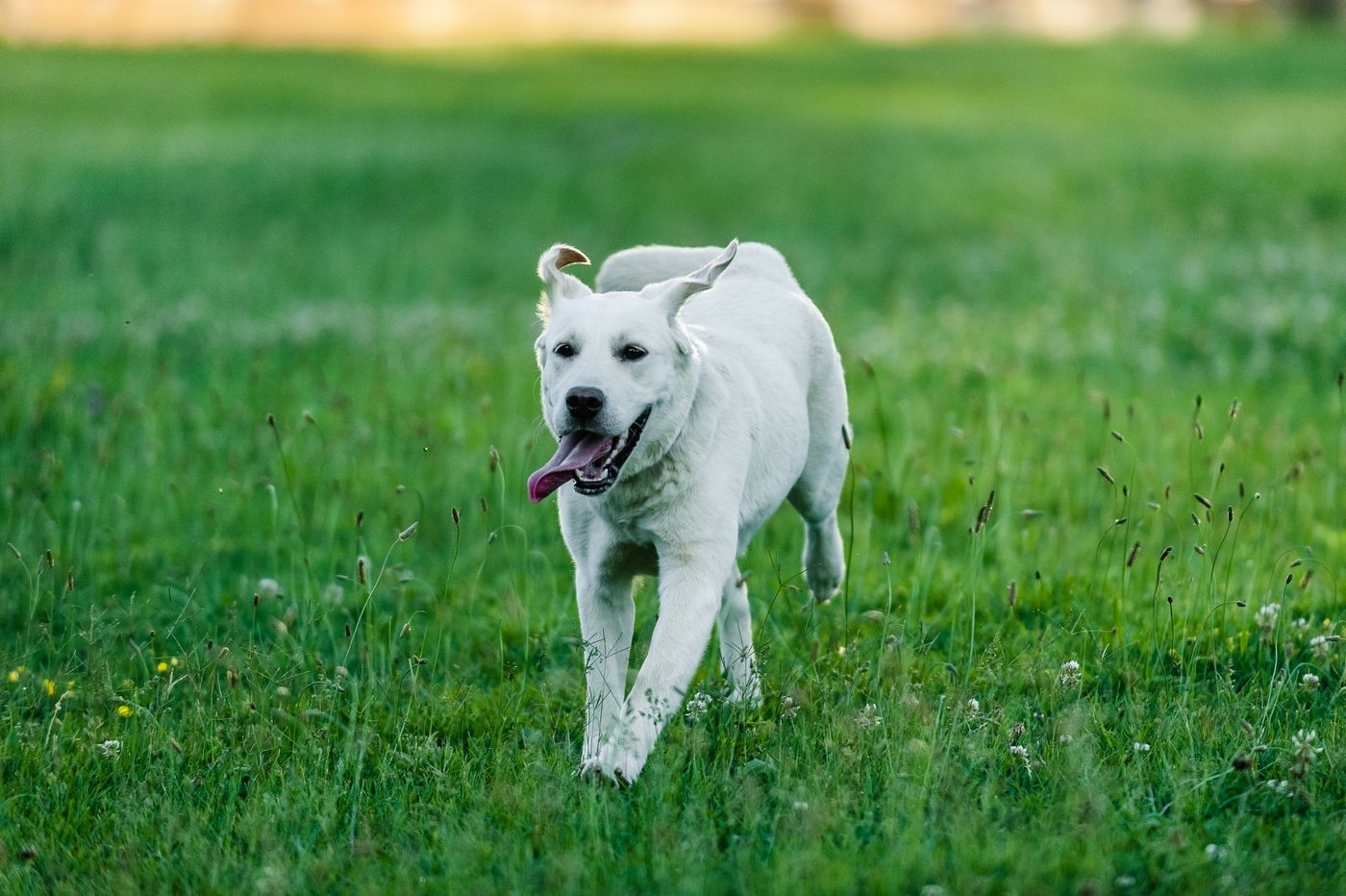
A labrador trotting happily through a meadow
This is the part worth protecting. Not younger. Just more like themselves, for longer.
More good years together

You know what your dog used to look like. Start there.

Tell us what's changed and join the waitlist. When we open, a veterinarian will help determine what it means and whether peptide-based care belongs in the conversation.

Check your dog →